



















Große und kräftige, gesunde Heidelbeersträucher: das sind die Sorten, die Sie wählen sollten
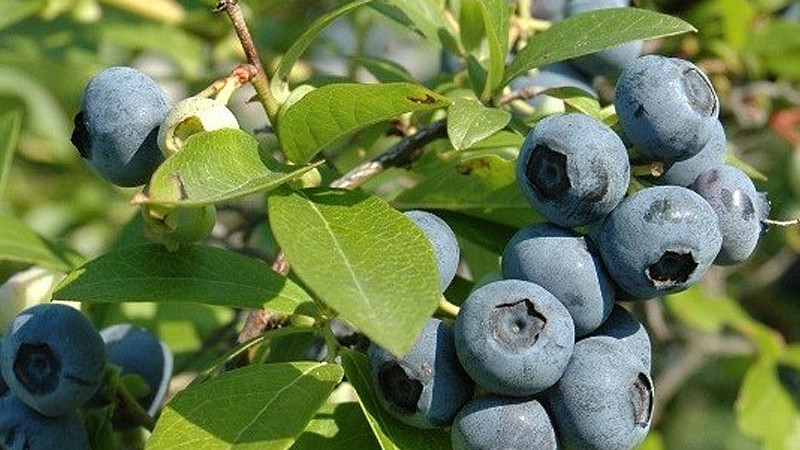
Blaubeeren sind seit einigen Jahren ein Hit in unseren Gärten. Ihr Geschmack ist beliebt, sie sind vielseitig verwendbar, haben gesundheitliche Vorteile, Vitamine, Antioxidantien und vieles mehr. Ausgereifte Sträucher können uns mehr als 8 Kilogramm Früchte liefern. Häufig entscheiden sich die Kunden beim Kauf von Heidelbeeren für kleine Sträucher in kleinen Töpfen, aber das bedeutet, dass sie auch nach dem Einpflanzen noch auf die Fruchtbildung der Pflanze warten müssen. Die Lösung kann also sein, gesunde große Sträucher zwischen 60 und 90 Zentimetern in 2-Liter-Töpfen zu produzieren. Heidelbeeren, die bei der Anlieferung in ihrer Größe glaubwürdig aussehen und vor allem viel früher Früchte tragen. Große Blaubeeren sind ideal für alle, die die Ernte so schnell wie möglich genießen wollen. Und mit allen Vorteilen der verschiedenen Sorten, die uns begegnen können.
Was gibt es über Heidelbeeren zu wissen?
Heidelbeeren sind keine anspruchsvollen Pflanzen. Wenn Sie ihnen einen sauren Boden (pH-Wert, oder verwenden Sie handelsüblichen Torf mit saurem pH-Wert) und einen auf die Bedürfnisse von Heidelbeeren abgestimmten Dünger geben, von denen es auf dem Markt eine ganze Reihe von Sorten verschiedener Hersteller gibt, werden sie Sie mit einer schmackhaften Ernte belohnen. Die Pflanze ist winterhart und verfügt über eine ausgezeichnete Frosthärte, auch in der Blütezeit.
Der Kauf von Blaubeeren im Container gibt dem künftigen Besitzer die Möglichkeit, sie jederzeit während der frostfreien Monate zu pflanzen. Es ist auch leicht zu sehen, wie kräftig die Pflanze ist, da eine gesunde Pflanze mit Laub nicht so leicht abgestorbene Zweige verdeckt. Eine so große Pflanze zeigt sich in ihrer ganzen Pracht. Je nachdem, zu welcher Jahreszeit Sie sie kaufen, kann sie blühen oder sogar Früchte an den Zweigen tragen. Ideal ist es, sie nach dem dritten Jahr des Wachstums der Zweige zurückzuschneiden, denn das fördert die weitere Verdickung. Es ist üblich, junge Pflanzen von Blüten zu befreien, um ein kräftigeres Wachstum zu fördern.
Mehrere große Sorten im Angebot
Wählen Sie aus den folgenden großen Sorten diejenige aus, die Ihnen in Bezug auf Blütezeit, Ernte, Ertrag oder Größe am besten gefällt.
Frühe Sorte Northland
Northland gehört zu den Sorten, die seit mehreren Jahren in der Slowakei etabliert sind. Wir stufen sie als früh ein, da die Früchte im Frühsommer reifen. Die Blätter des Strauches färben sich im Herbst rot. Die Sorte bietet ihrem Besitzer wohlschmeckende Früchte und ausgezeichnete Resistenzeigenschaften.
Heidelbeere Bluecrop
Bluecorp ist eine relativ weit verbreitete und weltbekannte Heidelbeerart und wird als mittelfrühe Sorte eingestuft. Die Früchte können ab Mitte Juli gepflückt werden, wobei diese Zahl aufgrund der allmählichen Reifung der Früchte auch höher liegen kann. Die voll winterharte Sorte wird bis zu 1,8 m hoch. Eine kräftige erwachsene Pflanze kann bequem mehr als 7 Kilogramm Früchte tragen. Die Pflanze braucht einen Bestäuber, idealerweise eine andere Heidelbeersorte. Empfehlenswert sind jedoch Sorten, die die gleiche Blütezeit haben und daher mittelfrüh sind, wie Bluegold, Chandler, Chanticleer und andere.
Chanticleer, mittelfrühe Sorte
Chanticleer gilt als mittelfrühe oder sehr frühe Sorte, die eine maximale Höhe von 160 cm erreicht. Aus einer ausgewachsenen Pflanze können maximal 8 kg Früchte gewonnen werden, die in der ersten Julihälfte reif werden. Sie weist alle Merkmale der Widerstandsfähigkeit auf, die wir bei Heidelbeeren erwarten. Sie kann von den relativ weit verbreiteten Sorten Patriot oder Bluecorp bestäubt werden. Je früher man einen Bestäuber bekommt, desto besser.
Blaubeer-Nelson
Die mittelspäte Sorte ist eine beliebte, ursprünglich aus den USA stammende Sorte namens Nelson. Die Pflanze erreicht eine Höhe von etwa 150 Zentimetern. Die großen, schmackhaften Früchte in Büscheln fallen nicht von selbst ab und zeichnen sich auch durch eine gewisse Lager- und Transportfestigkeit aus. Als mittelfrühe Art reifen die Früchte Ende Juli, Anfang August. Die Widerstandsfähigkeit wird mit bis zu -40°C angegeben.
Denise Blue
Eine interessante, in Australien gezüchtete Sorte ist die mittelfrühe Denise Blue, deren Heidelbeeren meist in dichten Trauben wachsen. Sie sind hellblau, fest und haben einen sehr süßen Geschmack. Sie blüht im Mai. Die Früchte können im August geerntet werden. Sie reift etwa 10 Tage nach anderen mittelfrühen Sorten wie Bluecorp. Sie haben eine gute Festigkeit und Widerstandsfähigkeit für Transport und Lagerung.
Späte Sorte Brigitta
Die großfrüchtige Heidelbeersorte reift Ende August bis September. Sie gehört damit zur Gruppe der Spätheidelbeeren. Geeignete Bestäuber können Bonifacy, Liberty und andere sein.
Späte Sorte Bonifacie
Die Sorte Bonifacy trägt Früchte, die bis zu 2 cm groß sind. Der Strauch kann bis zu zwei Meter hoch werden, und selbst das bedeutet hohe Erträge für die erwachsene Pflanze. Bonifacy ist eine Spätsorte, die von Mitte August bis September schmackhafte, aromatische Früchte trägt. Brigitta, Liberty und andere Sorten können geeignete Bestäuber sein
Amerikanische Heidelbeere Liberty
Die späte Sorte Liberty Blueberry stammt aus den Vereinigten Staaten. Sie wird etwa 150 Zentimeter hoch. Die großen, aromatischen und wohlschmeckenden Beeren benötigen einen idealen sonnigen Standort. Sie ist bis zu einem gewissen Grad selbstbestäubend, benötigt aber dennoch mehrere Pflanzen oder einen anderen Bestäuber als die Spätsorten, um die notwendige Wirkung und den Ertrag zu erzielen.
Verwandte Produkte


