



















Blaubeere (Lonicera caerulea): die unprätentiöse Kamtschatka Blaubeeren, die Sie immer wieder begeistern wird

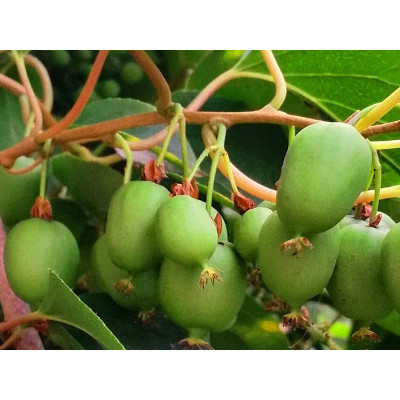
Blaubeere (Lonicera caelurea) ist auch als Kamtschatka-Blaubeere bekannt. Wir betrachten sie immer noch als eine Art exotische Pflanze. Er ist kein gewöhnlicher und traditioneller Bestandteil unserer Gärten, wie der Fliegenpilz, der Kreuzdorn, die Aronia oder viele andere nützliche Sträucher. Dennoch ist der Blaubeere in vielerlei Hinsicht eine einzigartige Frucht, die auch für einen vernachlässigten Garten geeignet ist. Außer einer eventuellen Bewässerung braucht er keine Pflege. Er hat eine ausgezeichnete Frostbeständigkeit. Seine Widerstandsfähigkeit zeigt sich auch in den Blüten. Temperaturen von etwa 0° bis 5° oder 7° C schaden den Blüten des Kreuzblütlers nicht. Da der Strauch bereits im Mai die ersten Früchte trägt, kann man ihn vielleicht als erste Frucht in unseren Gärten genießen. Es gibt aber noch einige andere Möglichkeiten, wie man sich als Gärtner anBlaubeeren erfreuen kann.
Ausgezeichnete Eigenschaften und Bescheidenheit, die die Heidelbeeren übertreffen
Im Gegensatz zu den beliebten klassischen Blaubeeren benötigt Blaubeeren keine Bodenverbesserungsmittel. Er braucht keinen sauren Boden und gedeiht in jedem nährstoffreichen Gartenlehm. Er wird etwa 1,5 Meter hoch, je nach Sorte auch mehr. Obwohl er zu den reich verzweigten Blauberen gehört, ist der Kamtschatka-Blaubeeren (lonicera caelurea) essbar und gesundheitsfördernd. Unter ihm gibt es mehrere interessante Sorten, die sich meist durch die gleichen Eigenschaften auszeichnen.
Im Besonderen:
- Ausgezeichnete Widerstandsfähigkeit gegen Frost, Krankheiten und mögliche Schädlinge an Holz, Blättern und Früchten.
- Die jungen Sträucher beginnen bereits zu produzieren (z. B. im ersten Jahr nach dem Kauf eines Containers mit einem Strauch), aber die wichtigste Ernte ist erst im Alter von 3+ Jahren, wenn der Strauch reif ist, bei einigen Sorten nach 5+ Jahren.
- Sie ist eine langlebige Pflanze. Sie hat feinere Blätter als die klassische Heidelbeere, aber eine ähnliche Größe und Wuchsintensität wie die Johannisbeere.
- Er braucht einen Bestäuber. Es ist daher ratsam, einen weiteren Kreuzblütler in seiner Nähe zu pflanzen.
- Ihre winzigen weißen Blüten erscheinen recht früh. Deshalb kann man die Widerstandsfähigkeit der Blume gegenüber frühen Frühjahrsfrösten schätzen. Eine willkommene Folge der frühen Blüte ist eine sehr frühe Ernte. Diese vervielfacht sich mit dem Alter der Pflanze und dem Volumen des Strauches.
- Die Früchte sind reich an Antioxidantien, Vitaminen C, B, A, Vitamin P, Eisen und anderen Mineralien. Außerdem enthalten sie Pektin.
- Sie wird meist Anfang Juni geerntet und ist ideal für Säfte, Smoothies, Fruchtcocktails, Mischungen, Kuchendekoration und Desserts. Sie wird auch für Kompotte, Konfitüren, Marmeladen, Sirupe und Liköre verwendet.
Interessante Sorten von Blaubeeren
In unserem Gebiet legen wir Wert auf Widerstandsfähigkeit, gesunde Vitalität, Fruchtbarkeit und Fruchtgröße. Im Vergleich zu den älteren Sorten zeichnen sich die neuen Sorten durch größere Früchte aus oder sind sogar ohne langes Suchen an den Sträuchern sichtbar. Zum Beispiel:
Sorte Lomicera caelurea Jugana®
Die großfrüchtige Sorte des Sibirischen Blubeeren wächst an einem mittelhohen Strauch, der 1,5 m hoch und etwas breiter wird. Die großen, süß-säuerlichen, sehr wohlschmeckenden, bis zu 4 cm langen Früchte sind leicht zu pflücken, ohne die Frucht zu beschädigen. Sie können im Kühlschrank aufbewahrt werden. Sie fallen nicht vom Strauch, wenn sie reif sind. Die größte Ernte liefern sie ab dem achten Jahr. (Sorte Detail)
Blaubeere (Lonicera caerulea) Aurora®
Sie ist eine Kreuzung aus sibirischen und japanischen Sorten und kann unter optimalen Bedingungen bis zu 2 m hoch werden. In mehreren Quellen wird diese Sorte als ideal für die nördlichen Regionen der Slowakei bezeichnet, insbesondere wegen ihrer guten Widerstandsfähigkeit gegen die härtesten Fröste. Sie ist auch für den süßen Geschmack der bis zu 1,9 Gramm schweren Früchte bekannt. (Sorte Detail)
Blaubeere Tundra®
Er ist ein mäßig schnellwüchsiger Strauch, der aber bei der Reife nur eine Größe von knapp über 1 Meter erreicht. Ein einziger reifer Strauch kann jedoch mehr als 4 Kilogramm erbringen. Die Früchte reifen in der zweiten Maihälfte. Aurora kann ein empfohlener Bestäuber sein.
Kanadische Blaubeere (Lonicera caerulea) Indigo Jem
Der mäßig dichte, bis zu ca. 1,7 m hohe Strauch hat gebogene Skelettäste. Charakteristisch sind die im Vergleich zu anderen Sorten sehr großen Früchte. Sie wiegen etwa 1,2 Gramm und mehr. Die Enden der Früchte sind unterschiedlich geformt. Sie lassen sich sehr leicht pflücken, ohne dass sie beschädigt werden, und sie lassen sich auch im Kühlraum tragen und lagern. Ihr süßer Geschmack wird sehr geschätzt. Die Sorte erreicht ihre volle Fruchtbildung mit einem bedeutenden Ertrag im Alter von etwa acht Jahren. (Sorte Detail)
Blaubeere (Lonicera caerulea) Honey Bee®
Das Großfrüchtige Blaubeere ist auch deshalb interessant, weil es zur Hälfte von den Kurilen-Inseln stammt. Der schnell wachsende Strauch erreicht eine Höhe von mehr als 1,5 Metern. Die Früchte, die in der zweiten Maihälfte reifen, bleiben nach der Reife am Strauch und fallen nicht ab. Sie bestechen durch ihren süßen Geschmack, vor allem aber durch den hohen Ertrag des Strauches. (Sorte Detail)
Sorte Boreal Blizzard
Etwas später (etwa zwei Wochen) reift die Sorte Boreal Blizzard, die Anfang Juni reif wird. Die Früchte sind vergleichsweise etwas größer als bei anderen Sorten.
Die verstorbene Blaubeere Boreal Beast
Diese Sorte gehört zu den Spätsorten. Die Früchte von Boreal Beast reifen im Juli. Sie sind 2,5 cm groß und haben einen ausgezeichneten süßen Geschmack. Diese Sorte kann daher mit anderen kombiniert werden, um die Erntesaison zu verlängern. Natürlich ist es notwendig, einen ebenso späten Bestäuber zu haben.
Blaubeere Boreal Beauty
Boreal Beauty ist eine interessante Sorte, die Ende Mai reif wird. Die Frucht ist etwa 3 bis 4 Zentimeter lang und oval geformt. Das Ende der Frucht ist nicht so verformt wie bei anderen Sorten.
Verwandte Produkte


