




















Leitfaden zu Feigensorten (Teil 2): Bornholm, Brunswick und weitere
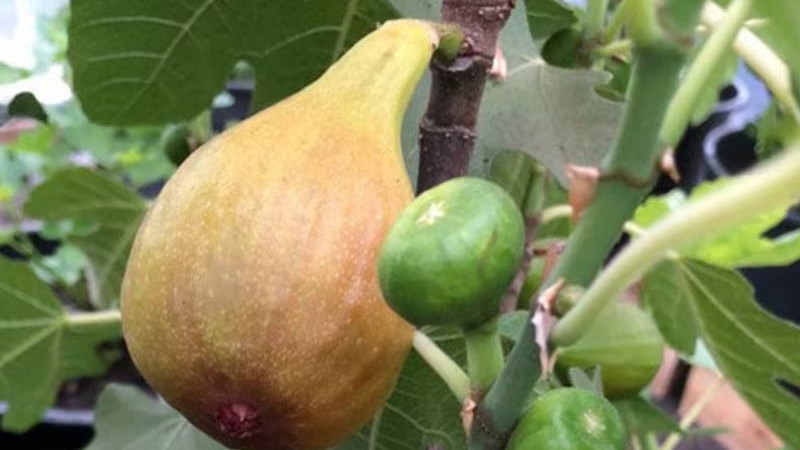
Feigen - Teil 2: Von nordischer Widerstandsfähigkeit bis zu französischem Charme
Träumen Sie von Ihrer eigenen Ernte süßer Feigen direkt aus Ihrem Garten oder vom Balkon? Wir setzen unsere Serie fort und stellen vier weitere außergewöhnliche und bewährte Sorten vor, die sich in Geschmack, Farbe, Fruchtgröße und Anbaumethode unterscheiden.
Alle vier Sorten stammen aus der MP-Edition, was bedeutet, dass ich sie persönlich zu Hause, in der Familie oder bei Freunden und Bekannten getestet habe.
Kurzüberblick: Eine oder zwei Ernten pro Jahr?
- Einmal tragende Feigen: Bringen eine Haupternte an den neuen Trieben des Jahres hervor, normalerweise vom Spätsommer bis zum Herbst. Sie sind zuverlässig und oft weniger anspruchsvoll in der Überwinterung.
- Zweimal tragende Feigen (sog. bifère): Liefern zwei Ernten. Die erste, die Frühlingsernte (sog. Breba-Feigen), reift am Holz des Vorjahres. Die zweite, die Haupternte, reift an den neuen Trieben.
Vorstellung von 4 bewährten Sorten
1. Bornholm's Diamond – „Das nordische Juwel“
Dieses „nordische Juwel“ von der dänischen Insel Bornholm ist ein Garant für außergewöhnliche Kälteresistenz. Sie ist ein Champion für Gärtner in nördlicheren und raueren Lagen.
- Erntetyp: Zweimal tragend (Mitte Juli und ab Mitte August).
- Wuchs: Schwach bis mittelstark, sehr kompakt und buschig (Höhe 2-2,5 m).
- Früchte: Mittelgroß (40-60 g), rund-oval, grün-gelb mit einem bronzefarbenen Hauch.
- Fruchtfleisch: Hell bernsteinfarben bis rosig, mit einem köstlich süßen, honigartigen Geschmack.
- Winterhärte: bis -18 °C (einige Quellen geben sogar mehr an).
- Fazit: Eine ideale, winterharte Wahl für Töpfe und das Freiland.
2. Brunswick – Der Riese mit den dekorativen Blättern
Eine sehr alte europäische Sorte, bekannt für ihre riesigen Früchte der ersten, sommerlichen Ernte und ihre tief gelappten Blätter. Besser für das Freiland geeignet.
- Erntetyp: Zweimal tragend (Mitte Juli und ab Ende August).
- Wuchs: Kräftig und ausladend, Höhe 2,5-3 m.
- Früchte: Die Sommerernte (Breba) ist sehr groß (100-120 g), asymmetrisch, gelb-grün mit einer violetten Wange.
- Fruchtfleisch: Bernsteinfarben bis rosig, angenehm süß und saftig.
- Winterhärte: bis -15 °C.
- Fazit: Eine großartige Wahl für diejenigen, die sich nach gigantischen Sommerfeigen sehnen.
3. Longue d'Août – Die zuverlässige „Lange Augustfeige“
Diese ausgezeichnete französische Sorte verbindet hervorragende Winterhärte, hohe Produktivität und einen erstklassigen Geschmack. Eine der besten Sorten für unser Klima.
- Erntetyp: Zweimal tragend (Juli und ab Ende August).
- Wuchs: Vital und aufrecht, Höhe 2,5-3 m.
- Früchte: Groß und länglich. Sommerfrüchte wiegen 120-180 g, Herbstfrüchte 60-80 g.
- Fruchtfleisch: Tief erdbeerrot, dicht und marmeladenartig. Der Geschmack ist sehr süß, reich, mit fruchtigen Noten.
- Winterhärte: bis -17 °C.
- Fazit: Eine universelle und hochproduktive Sorte für das Freiland.
4. Pastilière – Ein Gourmet-Erlebnis für den Topf
Eine weitere Gourmet-Sorte aus Frankreich, geschätzt für ihren phänomenalen, komplexen Geschmack und ihren von Natur aus kompakten Wuchs. Eine Feige für echte Feinschmecker.
- Erntetyp: Einmal tragend (ab Mitte August).
- Wuchs: Schwach bis mittelstark, kompakt, Höhe 2,5-3 m.
- Früchte: Mittelgroß (40-60 g), abgeflacht, dunkelviolett bis schwarz.
- Fruchtfleisch: Wunderschön tiefrot, marmeladenartig. Der Geschmack ist extrem reich, süß, mit Noten von Waldfrüchten, Trauben und einer feinen Säure.
- Winterhärte: bis -17 °C.
- Fazit: Die absolut ideale Wahl für den Anbau in Töpfen.
Fazit: Welche sollten Sie wählen?
Ob Sie die nordische Widerstandsfähigkeit der Bornholm's Diamond, die riesigen Sommerfrüchte der Brunswick, die zuverlässige und schmackhafte Ernte der Longue d'Août oder das Gourmet-Erlebnis der Pastilière suchen – jede dieser Feigen bietet ein einzigartiges Erlebnis.
Berücksichtigen Sie Ihre Platzverhältnisse, die klimatischen Bedingungen und Ihre Geschmacksvorlieben und wählen Sie den Feigenbaum, der Ihnen am besten passt.
Welche dieser Sorten hat Sie am meisten begeistert? Teilen Sie es uns in den Kommentaren mit!