



















Analyse lettischer Pflaumen: Profile der Sorten Laine, Alvis und Minjona | Blog
Pflaume 'Laine' und weitere: Eine Analyse robuster Sorten aus Lettland
Zuchtprogramme aus dem Baltikum sind seit langem ein Synonym für Obstsorten mit außergewöhnlicher Widerstandsfähigkeit gegen Frost und Krankheiten. In Dobele, Lettland, sind dank der Arbeit legendärer Züchter wie Pēteris Upītis und Dr. Silvija Ruisa Pflaumensorten entstanden, die perfekt an raue Bedingungen angepasst sind und wertvolles genetisches Material für jeden Gärtner darstellen, der Zuverlässigkeit und Qualität sucht.
„Lettische Sorten sind die Antwort auf den Bedarf, schmackhafte und ertragreiche Pflaumen mit minimalem Pflege- und Schutzaufwand anzubauen.“
In dieser detaillierten Analyse betrachten wir drei interessante lettische Sorten: die elegante Hauspflaume 'Laine' und zwei faszinierende Hybriden 'Alvis' und 'Minjona'.
1. 'Laine' (Prunus x domestica) – Detailliertes pomologisches Profil
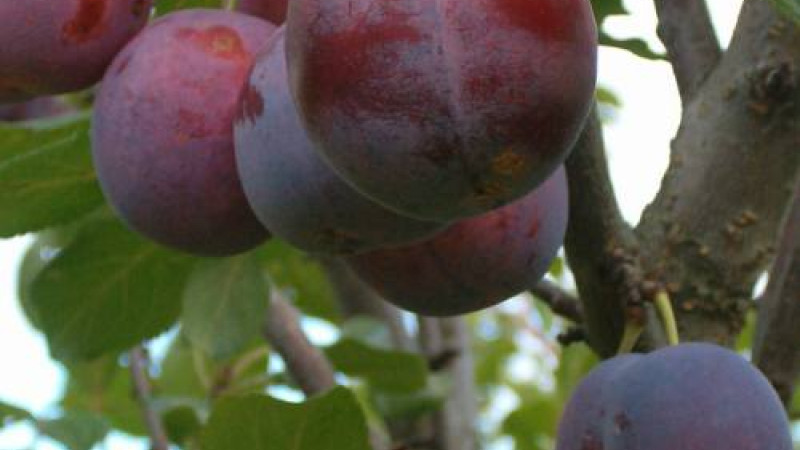
'Laine' ist eine moderne Hauspflaumensorte, die die Anforderungen von kommerziellen Plantagen und Hausgärten gleichermaßen erfüllt. Sie wird für ihre Selbstfruchtbarkeit, sehr hohen Erträge und großen, attraktiven Früchte geschätzt.
Sortenprofil: 'Laine'
- Herkunft: Lettland (Dobele), registriert im Jahr 2016.
- Wuchs: Mittelstark (bis zu 3 m), mit einer leicht formbaren, breiten Krone.
- Früchte: Groß bis sehr groß (50–75 g), länglich-elliptisch, von violetter Farbe.
- Fruchtfleisch: Hellgelb, mittelfest und saftig, der Stein löst sich vollständig.
- Geschmack: Gut, harmonisch. Den besten Geschmack erreicht sie bei der Ernte in der technischen Reife.
- Widerstandsfähigkeit: Gute Winterhärte der Blütenknospen.
- Reifezeit: Mittelfrüh (Anfang September).
Agronomische Bewertung
'Laine' ist eine hochproduktive Sorte mit ausgezeichneter Fruchtqualität, die auch für den kommerziellen Anbau geeignet ist. Ihre Selbstfruchtbarkeit ist ein enormer Vorteil für Gärtner mit begrenztem Platz. Interessant ist auch ihre Fähigkeit zur Selbstausdünnung, bei der der Baum einen Teil der unterentwickelten Früchte selbst abwirft.
Anbauempfehlungen und Einschränkungen
Die horizontal wachsenden Äste und der hohe Ertrag erfordern einen regelmäßigen Verjüngungsschnitt nach dem Eintritt in die Vollertragsphase, um eine Verdichtung der Krone und eine Verringerung der Fruchtqualität zu vermeiden. Für den besten Geschmack wird empfohlen, die Früchte kurz vor der Vollreife zu ernten.
2. 'Alvis' (Hybrid-Pflaume) – Detailliertes pomologisches Profil
'Alvis' ist eine Hybridsorte, die ein Schatz für Gärtner in kalten und Grenzlagen ist. Ihr Hauptvorteil ist die ausgezeichnete Winterhärte und die frühe Reife.
Sortenprofil: 'Alvis'
- Herkunft: Lettland (Dobele), Züchter Pēteris Upītis.
- Wuchs: Schwach (um 3 m), die Krone ist in der Jugend pyramidal, später breiter.
- Früchte: Mittelgroß, eiförmig, gelb mit einer orangen Deckfarbe.
- Fruchtfleisch: Gelb, fest, saftig, der Stein löst sich gut.
- Geschmack: Süß-säuerlich, sehr gut.
- Widerstandsfähigkeit: Ausgezeichnete Winterhärte von Holz und Blütenknospen; sehr gute Resistenz gegen Pilzkrankheiten.
- Reifezeit: Mittelfrüh.
Agronomische Bewertung
'Alvis' ist eine seltene Sammlersorte, ideal für Regionen mit sehr strengen Wintern. Ein früher Ertragseintritt (3. Jahr), sehr hohe und regelmäßige Erträge und eine dekorative Blüte sind ihre weiteren Stärken. Sie ist teilweise selbstfruchtbar, aber für eine maximale Ernte ist sie für einen Bestäuber dankbar.
Anbauempfehlungen und Einschränkungen
Als Bestäuber eignen sich andere Hybridpflaumen (russische/sibirische) oder die Kirschpflaume (Prunus cerasifera). Die Früchte haben eine kurze Lagerfähigkeit und sind für den sofortigen Verzehr oder die schnelle Verarbeitung bestimmt.
3. 'Minjona' (Hybrid-Pflaume) – Detailliertes pomologisches Profil
'Minjona' ist ein weiteres Juwel von Pēteris Upītis, das schwachen Wuchs, frühen und jährlichen Ertrag sowie Früchte mit hohem Zuckergehalt vereint.
Sortenprofil: 'Minjona'
- Herkunft: Lettland, registriert im Jahr 1999.
- Wuchs: Schwach, mit einer lockeren, breiten Krone.
- Früchte: Mittelgroß bis groß, oval, dunkel violett-braun mit blauer Bereifung.
- Fruchtfleisch: Dunkelgelb, fest, saftig und aromatisch, der Stein löst sich sehr gut.
- Geschmack: Gut, aromatisch, mit geringem Säuregehalt und hohem Zuckergehalt (bis zu 20 °Brix).
- Widerstandsfähigkeit: Gute Winterhärte; mittlere Krankheitsresistenz.
- Reifezeit: Ende August bis Anfang September.
Agronomische Bewertung
'Minjona' ist eine wertvolle Sorte für Gärtner, die kleinere Bäume und süße Früchte bevorzugen. Interessant ist, dass sie sich bei ungünstigen Blütebedingungen (Kälte) wie eine vollständig selbstfruchtbare Sorte verhält.
Anbauempfehlungen und Einschränkungen
Um die Qualität und den Ertrag zu erhalten, benötigt sie alle 2–4 Jahre einen regelmäßigen Verjüngungsschnitt. Aufgrund der mittleren Anfälligkeit für die Blattfleckenkrankheit ist eine Vorbeugung oder ein gezielter Pflanzenschutz erforderlich.
Zusammenfassende Vergleichstabelle
Vergleich der lettischen Sorten
| Eigenschaft | Laine | Alvis | Minjona |
|---|---|---|---|
| Pflaumentyp | Hauspflaume (P. domestica) | Hybride | Hybride |
| Hauptvorteil | Große Früchte, Selbstfruchtbarkeit | Extreme Winterhärte | Schwacher Wuchs, süße Früchte |
| Bestäubung | Selbstfruchtbar | Teilweise selbstfruchtbar | Teilweise selbstfruchtbar |
| Fruchtfarbe | Violett | Gelb | Dunkelviolett |
Entdecken Sie die Widerstandsfähigkeit und den Geschmack des Baltikums
Die lettischen Sorten sind ein hervorragendes Beispiel für moderne Züchtungen, die den Bedürfnissen der heutigen Gärtner entsprechen. Sie zeichnen sich durch Widerstandsfähigkeit, Anspruchslosigkeit und vor allem durch ihren hervorragenden Geschmack aus. Entdecken Sie unser begrenztes Angebot an exklusiven, widerstandsfähigen Pflaumensorten und finden Sie Ihren Favoriten aus dem Baltikum.
Bleiben Sie auf dem Laufenden!
Möchten Sie weitere Tipps, Neuigkeiten zu Sorten und exklusive Einblicke in die Welt der Obstpflanzen erhalten? Folgen Sie uns auf Facebook und werden Sie Teil unserer wachsenden Gemeinschaft von Gartenfreunden. Folgen Sie uns jetzt auf Facebook und verpassen Sie nichts!
Welche dieser lettischen Sorten würde Ihre Vorstellungen am besten erfüllen? Lassen Sie es uns in den Kommentaren wissen!
Verwandte Produkte


