























Apricots for Health: Nutritional Profile, Eyes & Heart
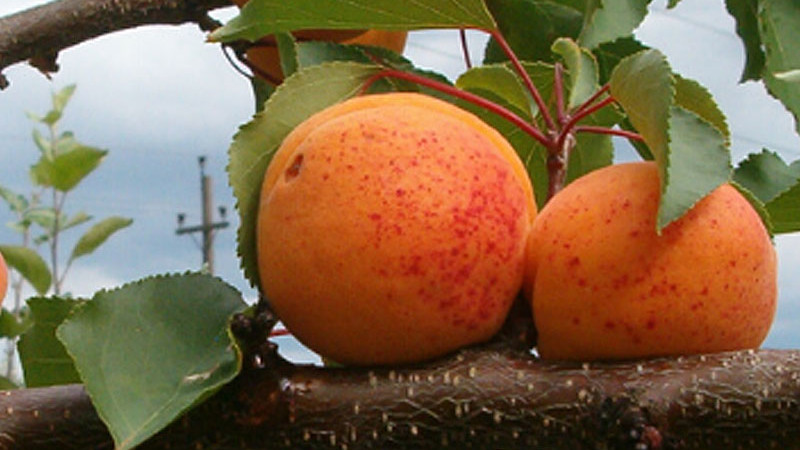
The Golden Egg of the Sun: Why Apricots Are the Perfect Summer Superfood for Your Health
When someone mentions summer, many of us immediately think of the unmistakable, sweet-and-sour aroma and velvety touch of a fresh apricot. This fruit, which the ancient inhabitants of the Asian mountains poetically called the "golden egg of the sun," is, however, much more than just a tasty seasonal refreshment. Thanks to its extraordinary nutritional and healing properties, it has earned the title of a true superfood in scientific circles.
At a time when modern nutritional science is constantly searching for foods capable of preventing lifestyle diseases, the apricot (Prunus armeniaca L.) comes to the fore as an inconspicuous yet all the more powerful hero. Based on scientific knowledge, this article will guide you through its complex nutritional profile and reveal why it should form the absolute foundation of your summer diet.
“The apricot represents a perfect compromise for those looking for a sweet taste but at the same time watching their figure. It is characterized by an extremely low energy value, yet a huge density of essential nutrients.”
1. Nutritional Anatomy: A Low-Calorie Powerhouse
A bite into a fresh apricot is literally a refreshing infusion for the body. Approximately 86% of its weight is water, meaning 100 grams of fresh fruit provides the body with only 48 calories and a negligible 0.39 g of fat.
In terms of macronutrients, it contains 11.12 g of carbohydrates per 100 g, with sucrose being the dominant sugar. However, if we look at the dry matter (after removing the water), the apricot becomes a concentrated reservoir of nutrients – containing 11.5% crude fiber and 4% minerals.
Vitamin and Mineral Arsenal (per 100g of fresh fruit)
| Vitamin A (Carotenoids) | Covers almost 64% of daily needs. The content here is higher than in pears. |
| Vitamin C | 15.5 mg – key for immunity and collagen production. |
| Potassium (K) | 259 mg – the absolute king of minerals in apricots, important for the heart. |
| Rare Trace Elements | Contains zinc, copper, manganese, and selenium, which has huge medical significance. |
2. A Protective Shield for Your Eyes
Our eyes are constantly exposed to oxidative stress from UV radiation and blue light from screens, which leads to the formation of free radicals and macular degeneration. Apricots are literally an elixir for ophthalmological health.
The Power of the Yellow Color
Vitamin A (in the form of beta-carotene) is essential for the formation of rhodopsin – a protein for human vision in dim light. Apricots additionally contain specific xanthophyll carotenoids zeaxanthin and lutein. These substances act as a direct filter for harmful blue light and protect the retina from damage.
3. Guardian of the Heart and Vascular System
Cardiovascular diseases are the leading cause of death worldwide. Apricots offer several mechanisms to protect our most important muscle:
- Blood pressure regulation: The exceptionally high potassium content and low sodium content help modulate fluid levels in the body and keep blood pressure under control.
- Cholesterol reduction: Soluble fiber in the digestive tract binds bile acids and cholesterol, blocking their accumulation on artery walls and reducing the level of "bad" LDL cholesterol.
- Protection against oxidation: Chlorogenic acid and lycopene prevent the oxidation of LDL lipoproteins, which is the main cause of ischemic heart disease.
4. Digestion, Metabolism, and a Slim Figure
With a fiber content of 11.5% (in dry matter), composed mainly of pectin, apricots are a balm for the digestive tract. Fiber provides necessary bulk to ingested food, stimulates bowel motility, and effectively prevents constipation.
Nutrition for the Microbiome
The indigestible part of fiber acts as an "internal broom." In the large intestine, beneficial bacteria convert it into short-chain fatty acids, which alleviate intestinal inflammation. Thanks to the combination of fiber and low calorie content, apricots are highly satiating and help with weight regulation.
5. Strong Bones and Radiant Skin
Although it is less talked about, apricots also contribute to the health of the musculoskeletal system. They contain bone-strengthening minerals – copper, phosphorus, manganese, magnesium, and calcium – which reduce the risk of osteoporosis.
For skin beauty, vitamin C is key, being absolutely essential for collagen production. Vitamin E and other antioxidants, in turn, protect the skin from sun damage, help maintain its natural moisture, and prevent it from drying out.
Conclusion
The apricot is not just a fruit; it is a complex package of bioactive substances, vitamins, and fiber that nature has mixed in perfect proportions. Consuming just three medium-sized fresh apricots will provide you with 50% of the recommended daily intake of beta-carotene.
Whether you enjoy them fresh straight from the tree or add them to your morning oatmeal, you are doing your body a huge favor. You protect your vision, strengthen your heart, support digestion, and nourish your skin. Therefore, do not let this "golden egg of the sun" be missing from your summer diet.
Grow your own vitamin supply
Check out our offer of resilient apricot varieties ➤
Interested in the health benefits of fruit?
Join our community and read similar articles first.
Join the VIP Facebook group HERE ➤