





















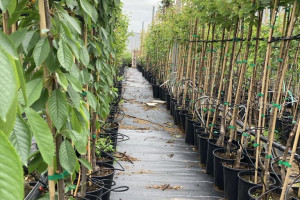
Quitte: Ein vergessener Schatz für Gesundheit und Küche – der vollständige Leitfaden
Quitte: Der vergessene Schatz für Gesundheit und Küche – Ein kompletter Leitfaden
Im Schatten kommerziell erfolgreicherer Verwandter wie Äpfel und Birnen steht eine fast vergessene Obstart mit reicher Geschichte und bemerkenswertem Potenzial – die Echte Quitte (Cydonia oblonga). Ihre Früchte, die bereits im antiken Griechenland und Rom die Tische schmückten und als Symbol für Liebe und Fruchtbarkeit galten, erleben heute eine Renaissance des Interesses von Wissenschaftlern und Verbrauchern. Ihr intensives, unverwechselbares Aroma steht im Kontrast zu dem harten, herben und roh fast ungenießbaren Fruchtfleisch, was ein faszinierendes botanisches Paradox darstellt.
„Doch gerade diese Robustheit und ihre einzigartigen Eigenschaften prädestinieren sie für eine unglaublich breite Anwendung, von der traditionellen Medizin bis hin zu modernen kulinarischen Delikatessen.“
In diesem umfassenden Leitfaden lüften wir die Geheimnisse dieser „vergessenen Frucht“. Wir tauchen in ihre botanische Essenz ein, erforschen ihre chemische Apotheke und zeigen Ihnen, warum die Quitte in Ihrem Garten, Ihrer Küche und Ihrer Hausapotheke nicht fehlen sollte.
1. Wer ist die Quitte (und wer nicht)?
Die Quitte gehört zur Familie der Rosengewächse, genau wie Äpfel oder Birnen. Sie ist jedoch die einzige Vertreterin ihrer Gattung Cydonia, was sie zu einem botanischen Unikat macht. In der Praxis wird sie oft mit ihren Verwandten verwechselt:
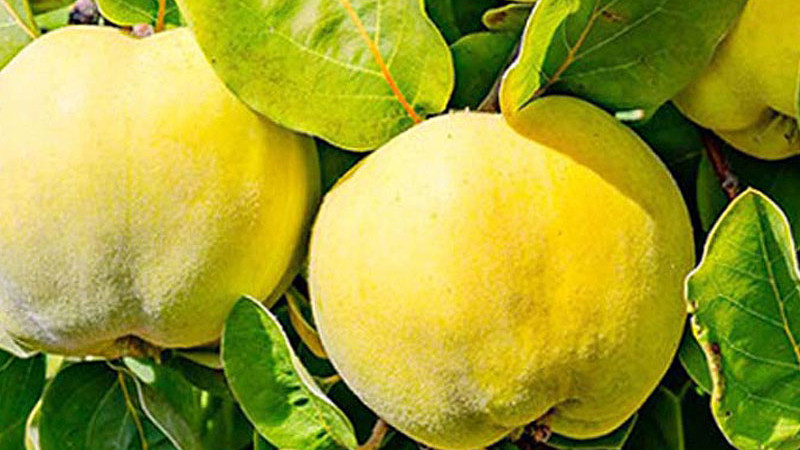
- Echte Quitte (Cydonia oblonga): Ein Baum oder großer Strauch. Die Früchte sind groß, filzig (mit feinen Härchen bedeckt) und werden beim Kochen weich.
- Zierquitte (Chaenomeles): Ein niedrigerer, oft dorniger Strauch mit auffälligen Blüten. Die Früchte sind kleiner, glatt, extrem sauer und hart.
- Chinesische Quitte (Pseudocydonia): Ein Baum mit abblätternder Rinde. Die Früchte sind groß, glatt und bleiben auch nach dem Kochen sehr hart.
Die Echte Quitte zeichnet sich also durch die charakteristische filzige Oberfläche der Früchte aus, die apfel- oder birnenförmig sein können.
2. Die chemische Schatzkammer: Was verbirgt sich im harten Fruchtfleisch?
Hinter der rauen Schale und dem harten Fruchtfleisch verbirgt sich ein außerordentlich reicher Cocktail an bioaktiven Substanzen.
- Pektin – der König des Gelierens: Die Quitte enthält eine extrem hohe Menge an Pektin (bis zu 2 %), was deutlich mehr ist als bei Äpfeln. Genau dieses Pektin ist für ihre hervorragenden Geliereigenschaften verantwortlich, ideal für die Herstellung von Konfitüren und Gelees.
- Polyphenole – eine Armee von Antioxidantien: Die Quitte ist vollgepackt mit Polyphenolen, insbesondere Hydroxyzimtsäuren und Flavonoiden (Quercetin, Rutin). Die höchste Konzentration dieser Schutzstoffe befindet sich in der Schale und den Blättern. Ihre antioxidative Kraft ist vergleichbar mit der von grünem Tee!
- Schleim der Samen (Mucilago): Die Samen sind von einer Schleimschicht umgeben, die bei Kontakt mit Wasser stark aufquillt und ein Gel bildet. Dieser Schleim ist der Schlüssel zu vielen medizinischen Anwendungen.
- Vitamine und Mineralstoffe: Die Quitte ist eine hervorragende Quelle für Vitamin C (mehr als Äpfel), B-Vitamine und Mineralstoffe, insbesondere Kalium, Phosphor und Kalzium.
- Aromatische Verbindungen: Ihr magischer Duft wird durch einen Komplex von über 160 flüchtigen Substanzen erzeugt, die sich erst beim Erhitzen vollständig entfalten.
3. Die Naturapotheke in Aktion: Wissenschaftlich bestätigte Wirkungen
Die traditionelle Verwendung der Quitte wird heute von der modernen Wissenschaft bestätigt. Ihre Wirkungen sind überraschend vielfältig.
1. Ein Elixier für den Verdauungstrakt
Dies ist eine der stärksten Domänen der Quitte.
- Gastroösophagealer Reflux (GERD): Klinische Studien haben bestätigt, dass Quittensirup bei der Linderung von Refluxsymptomen bei Kindern und schwangeren Frauen ebenso wirksam ist wie herkömmliche Medikamente (z. B. Omeprazol), jedoch mit einem besseren Sicherheitsprofil.
- Magengeschwüre und Entzündungen: Der Saft der Quitte hemmt das Wachstum des Bakteriums Helicobacter pylori. Der Schleim der Samen bildet einen Schutzfilm auf der Schleimhaut, der Entzündungen beruhigt und die Heilung fördert.
- Durchfall und Verstopfung: Die Quitte hat eine duale Wirkung. Dank der Tannine wirkt sie bei Durchfall adstringierend (zusammenziehend), während der Schleim der Samen bei Verstopfung als mildes Abführmittel wirkt.
2. Schutz für Herz und Gefäße
- Senkt den Cholesterinspiegel: Extrakte senken den Spiegel des "schlechten" LDL-Cholesterins und der Triglyceride, während sie das "gute" HDL-Cholesterin erhöhen.
- Reguliert den Blutdruck: Die Wirkstoffe helfen, den systolischen und diastolischen Blutdruck zu senken.
- Unterstützt die Diabetes-Behandlung: Die Quitte verlangsamt die Aufnahme von Zucker im Darm und hilft so, den Blutzuckerspiegel zu stabilisieren.
3. Linderung bei Husten und Allergien
- Husten und Halsschmerzen: Der Schleim aus in Wasser eingeweichten Samen bildet einen beruhigenden Schutzfilm auf den Schleimhäuten der Atemwege, wodurch der Hustenreiz gedämpft und die Reizung gelindert wird.
- Allergien: Die Quitte kann allergische Reaktionen unterdrücken, indem sie die Produktion von Immunglobulin E (IgE) und die Freisetzung von Histamin reduziert.
4. Wundheilung und Hautpflege
Das Gel aus den Samen, äußerlich aufgetragen, beruhigt Verbrennungen, Windeldermatitis und andere Hautentzündungen und beschleunigt die Wundheilung.
Quitte auf einen Blick: Warum man sie lieben sollte
| Eigenschaft | Anwendung | Schlüssel-Inhaltsstoff |
|---|---|---|
| Hoher Pektingehalt | Herstellung von Konfitüren, Gelees, Quittenkäse. | Pektin (Ballaststoff) |
| Beruhigung der Verdauung | Behandlung von Reflux, Geschwüren, Durchfall. | Pektin, Tannine, Polyphenole |
| Behandlung von Husten & Halsschmerzen | Zubereitung eines Schleimextrakts aus den Samen. | Schleim (Mucilago) |
| Unterstützung für Herz & Stoffwechsel | Regulierung von Cholesterin, Blutdruck und Zucker. | Polyphenole, Ballaststoffe |
4. Kulinarische Alchemie: Wie man Stein in Gold verwandelt
Der Zauber der Quitte entfaltet sich erst durch Wärmebehandlung. Beim Kochen oder Backen wird ihr Fruchtfleisch weich, die Herbe verschwindet, das göttliche Aroma wird freigesetzt und die Farbe verwandelt sich in ein wunderschönes Rosa bis Rubinrot.
- Quittenkäse (Membrillo): Eine feste, schneidbare Paste, die traditionell zu Käse serviert wird.
- Konfitüre und Marmelade: Dank des Pektins benötigen sie weniger Zucker.
- Gelee und Kompott: Eine exquisite Delikatesse.
- Beilage zu Fleisch: Gebackene oder gekochte Quittenstücke ergänzen perfekt Wild, Schweinefleisch oder Geflügel.
- Schnaps und Liköre: Auf dem Balkan ist der Quitten-Rakija beliebt.
Fazit
Die Quitte ist der lebende Beweis, dass die Natur zugleich der beste Koch und Apotheker ist. Ihre Wiedereingliederung in unsere Gärten und Speisepläne ist nicht nur eine Rückkehr zu Traditionen, sondern auch ein kluger Schritt, um den natürlichen Reichtum zu nutzen, den uns diese uralte Frucht bietet. Es ist höchste Zeit, dass dieser vergessene Schatz wieder den Platz einnimmt, der ihm zusteht.
Entdecken Sie den Zauber der Quitte!
Entdecken Sie den Zauber der Quitte in unserem Angebot und gönnen Sie sich diesen vergessenen Schatz voller Geschmack und Gesundheit.
Möchten Sie noch mehr erfahren?
Dieser Artikel ist nur der Anfang. Wenn Sie tiefer in die Welt des Anbaus eintauchen, exklusive Tipps und vorzeitigen Zugang zu Artikeln erhalten möchten, werden Sie Teil unserer Community!
Folgen Sie uns auf unserer Facebook-Seite und seien Sie immer einen Schritt voraus.
Kannten Sie die Quitte und ihre Wirkungen? Was ist Ihr Lieblingsrezept aus dieser duftenden Frucht? Teilen Sie es uns in den Kommentaren mit!