





















Peach as a Superfood: Hidden Antioxidants & Vitamins
The Hidden Superfood in a Velvety Coat: How Peaches Protect Our Heart, Vision, and Cells
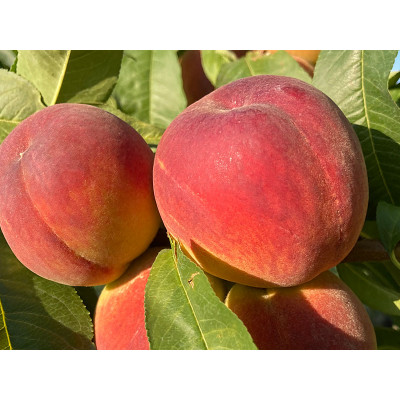
When the word "superfood" is mentioned, most of us imagine exotic berries from the Amazon rainforest, expensive green powders, or avocados. Few would think to include the ordinary, sweet, and juicy peach in this elite category. However, this symbol of summer, which we associate more with carefree snacking than with strict healthy eating, hides a surprising secret.
Beneath the delicate, fuzzy skin lies not only water and sugar, but a complex cocktail of vitamins, minerals, and above all, powerful phytochemicals that make the peach an inconspicuous, yet highly effective protector of our health. Forget for a moment about its delicious taste and let's look at the peach through the lens of modern nutritional science.
“The golden rule of eating peaches is: Never peel them! Peach skin contains a two to three times higher concentration of antioxidants than the flesh itself. By peeling it, you are losing the most valuable thing the fruit offers.”
Nutritional Profile: A Lightweight with a Heavy Arsenal
At first glance, it might seem that the peach (Prunus persica) is a "poor" relative in terms of nutrition. This is due to the fact that the absolute majority of its weight – approximately 87 to 89% – is made up of water.
Ideal for Weight Loss
Thanks to its high water content, the peach is extremely low in calories. One hundred grams of fresh flesh contains only about 39 to 43 kcal, almost zero fats, and no cholesterol. Therefore, they are an ideal part of reduction diets.
However, what the peach lacks in calories, it richly makes up for in other areas:
- Fiber: It contains 1.4 to 2.4% fiber (especially pectin), which is crucial for healthy digestion, preventing constipation, and lowering cholesterol.
- Vitamins: It is an excellent source of vitamins A, C (6.6 mg/100 g), and E. The content of vitamin A (carotenoids) is even higher here than in pears.
- Minerals: Low sodium content makes it an ideal fruit for people with high blood pressure. Conversely, it is rich in potassium (up to 190 mg/100 g), which is crucial for the heart, and also contains magnesium, zinc, and iron.
Phytochemicals: The True Power of the Peach
What makes the peach a true "superfood" are its secondary metabolites – phytochemicals. The plant creates them for its own protection against UV radiation or pests, but in the human body they act as powerful antioxidants neutralizing free radicals.
Three Main Protective Components
| 1. Polyphenols | The most important antioxidants (chlorogenic acid, catechin). They neutralize free radicals that damage cells and contribute to aging. They are concentrated especially in the skin. |
| 2. Anthocyanins | Responsible for the red coloration of the skin and the area around the pit. Varieties with red flesh ("blood peaches") have such an antioxidant capacity that they rival blueberries. |
| 3. Carotenoids | Give the flesh its yellow and orange color (beta-carotene, lutein, zeaxanthin). They are absolutely crucial for eye health and protecting the retina. |
Health Benefits: From the Heart to the Liver
Thanks to this rich composition, regular consumption of peaches has demonstrably positive effects on human health, confirmed by modern studies.
Protection of the Heart and Blood Vessels
Phenolic antioxidants in peaches can inhibit (curb) the oxidation of LDL ("bad") cholesterol, which is the main cause of hardening of the arteries. Furthermore, vitamin K prevents the deposition of calcium in the blood vessels, and potassium regulates the heartbeat.
Other Proven Effects:
- Vision Protection: Lutein and zeaxanthin reduce the risk and slow the progression of age-related macular degeneration and protect against night blindness.
- Liver Detoxification: Potassium and pectins facilitate the excretion of toxins from the body and protect liver tissue from oxidative stress.
- Support in Diabetes: Although they are sweet, their natural sugars do not cause sharp spikes in blood sugar levels. Polyphenols (ellagic acid) even stimulate pancreatic cells to secrete insulin.
- Anticancer Potential: Laboratory studies have shown that peach extracts (especially chlorogenic acid) can inhibit the multiplication of certain types of cancer cells (e.g., breast cancer cells) by triggering programmed death in them.
Conclusion
The peach is a perfect example that healthy food does not have to taste like medicine. Under its velvety skin lies a complex pharmacy full of antioxidants, vitamins, and fiber. Whether you enjoy it fresh straight from the tree or add it to your morning smoothie, you are not only bringing joy to your taste buds but providing your body with strong protection against aging, heart disease, and oxidative stress.
Grow your own health
Check out our offer of resilient peach varieties ➤
Interested in the health benefits of fruit?
Join our community and read similar articles first.
Join the VIP Facebook group HERE ➤