



















Pruning Blueberries: From Fire to Shears for Maximum Yield
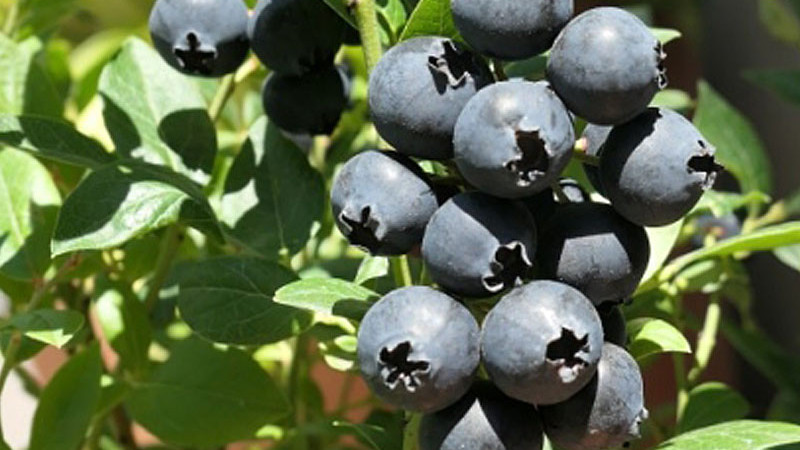
The Art of Pruning: From Fire to Shears – How We Shape Blueberries for Maximum Yield
Pruning is one of the most important yet most frequently neglected agrotechnical interventions in blueberry cultivation. Its goal is not only to maintain the plant in the desired shape but, above all, to ensure a balance between vegetative growth and fruitfulness, renew old wood, and maintain fruit quality. However, each of the five main types of blueberries has a completely different growth strategy and therefore requires a specific approach to pruning.
“From the radical burning of wild fields in Maine to precise summer topping in Florida, pruning techniques in the genus Vaccinium have undergone a fascinating evolution. Regardless of the method, the goal is always the same: to transform wood mass into sweet fruit.”
1. Northern Highbush (NHB): The Classical School of Winter Pruning
Northern Highbush (Vaccinium corymbosum) is a typical shrub that fruits on one-year-old wood growing from two-year-old and older wood. Standard practice involves winter pruning during the dormant period.
NHB Pruning Principles
The goal is to remove old, unproductive branches (usually older than 5-6 years) directly at the base of the bush, stimulating the growth of new shoots. At the same time, weak and thin "twiggy growth" is removed, as it would only produce small berries.
In Michigan, where a large part of production is harvested mechanically, bushes are shaped to have a narrow base and an upright habit, minimizing losses during machine shaking.
2. Southern Highbush (SHB): Summer Pruning and the Evergreen System
Cultivation of Southern Highbush in Florida and Georgia brought a revolution in timing. Thanks to the long growing season, "summer topping" is practiced here.
Immediately after harvest, bushes are mechanically topped by 1/3 to 1/2 of their height. This radical intervention stimulates massive new growth during the summer, on which flower buds differentiate in autumn for next year's crop. In the evergreen system, where plants do not lose leaves, pruning focuses on maintaining active leaf area for an early spring harvest.
3. Rabbiteye (RE): Taming the Giant
Rabbiteye (Vaccinium virgatum) is the most vigorously growing blueberry type. Without pruning, it can quickly exceed 3-4 meters in height, making harvest impossible and leading to smaller fruit.
Rejuvenation Renovation
Older Rabbiteye plantings require radical rejuvenation. Entire bushes are cut back to a height of 30-50 cm. Thanks to a strong root system, the bush regenerates quickly and returns to full bearing within 2-3 years.
4. Half-high (HH): Minimalism for Survival
Half-high blueberries are bred for cold regions. Their main survival strategy is low stature, allowing them to spend winter protected under snow cover. Pruning here is minimal – only damaged parts and shoots protruding above the expected snow line (which could freeze) are removed.
5. Lowbush (LB): Fire and Scythe
Pruning management for Lowbush (Vaccinium angustifolium) is unique and uses a two-year cycle: a prune year (vegetative growth) and a crop year (harvest). After harvest, the entire above-ground part of the plants is removed.
Traditional Burning vs. Mowing
Historically, fields were burned with straw or burners. Fire destroyed pests and released nutrients from the ash. Today, due to cost and environmental concerns, mechanical mowing is preferred. This, however, requires more intensive integrated pest management, as mowing does not destroy pest eggs or fungal spores in the organic litter like fire does.
Summary Overview of Pruning Techniques
| Blueberry Type | Main Pruning Period | Main Goal |
|---|---|---|
| Northern Highbush | Winter (Dormancy) | Renewal of fruiting wood |
| Southern Highbush | Summer (Post-harvest) | Stimulation of new growth |
| Rabbiteye | Winter / Summer | Height control and thinning |
| Lowbush | Post-harvest (every 2nd year) | Complete stand renewal |
Conclusion
Pruning blueberries is not just an aesthetic matter; it is a strategic battle for yield. While NHB requires precise work with shears for quality renewal, it is the key to taming vigorous vegetation in SHB and Rabbiteye. The correctly chosen pruning technique ensures that your plant does not waste energy on unnecessary wood but transforms maximum energy into large and sweet berries.