



















Schnitt von Obstbäumen (Teil 3): Schnitt nach der Pflanzung, Verjüngungsschnitt und Umleitungsschnitt
Obstbaumschnitt (Teil 3): Pflanz-, Verjüngungs- und Ableitungsschnitt
In den ersten beiden Teilen haben wir die Grundpfeiler des Schnitts erlernt: Wir haben den Baum gereinigt und ausgelichtet. Damit haben wir 95 % der üblichen Pflege abgedeckt.
Dieser dritte Teil konzentriert sich auf spezifische, aber äußerst wichtige Situationen im Leben eines Baumes. Wir schauen uns an, wie man einem jungen Baum den besten Start ins Leben gibt, wie man einem alten Baum eine zweite Chance gibt und stellen schließlich eine der elegantesten Schnitttechniken vor.
„Mit der Beherrschung dieser Techniken schließen Sie den Kreis des Wissens über den Baumschnitt und sind für jede Gartensituation gewappnet.“
1. Der Pflanzschnitt – Der wichtigste Schnitt im Leben eines Baumes
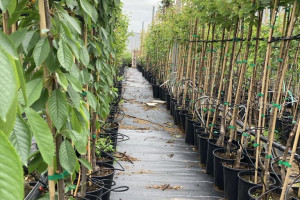
Sie haben gerade einen neuen, wurzelnackten Baum gekauft und es tut Ihnen leid, ihn zu schneiden? Machen Sie diesen Fehler nicht. Dieser Schnitt ist absolut entscheidend für sein Überleben und seinen zukünftigen Erfolg.
Warum ist er unerlässlich?
Beim Ausgraben in der Baumschule verliert der Baum einen erheblichen Teil seiner Wurzeln. Es entsteht ein gefährliches Ungleichgewicht: ein kleines Wurzelsystem soll einen großen oberirdischen Teil versorgen. Ohne Schnitt schaffen es die Wurzeln nicht, Wasser zu liefern, und der Baum geht ein oder kümmert vor sich hin. Mit dem Schnitt verkleinern wir den oberirdischen Teil und geben den Wurzeln die Chance, stark zu werden.
Anleitung Schritt für Schritt:
- Zeitpunkt: Schneiden Sie den oberirdischen Teil immer im Frühjahr (März), nach den stärksten Frösten.
- Wurzelschnitt: Kürzen Sie dicke Wurzeln beim Pflanzen so, dass die Schnittfläche nach unten zeigt. Beschädigte und trockene Teile entfernen.
- Schnitt je nach Baumtyp:
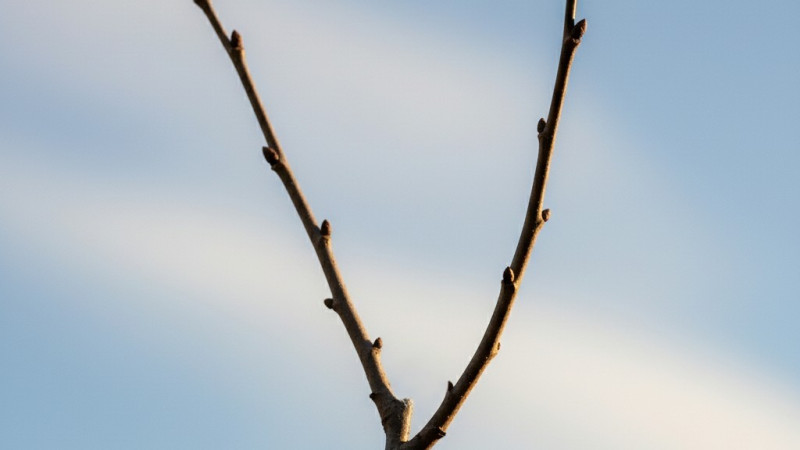
- Peitsche (einzelner Trieb): Bestimmen Sie die Stammhöhe (z. B. 80 cm), zählen Sie darüber 5-6 Knospen ab und schneiden Sie über der höchsten. Entfernen Sie die Knospen unterhalb der Stammhöhe.
- Baum mit Seitenverzweigung: Entfernen Sie alle Triebe unterhalb der gewünschten Stammhöhe. Darüber wählen Sie 3-4 passende Seitentriebe aus und kürzen diese um 2/3. Kürzen Sie den Mitteltrieb so, dass er die Seitentriebe um 15-20 cm überragt.
- Hohlkrone (Aprikosen, Pfirsiche): Wählen Sie 3-4 Haupttriebe, entfernen Sie den Mitteltrieb (falls vorhanden) und kürzen Sie die verbleibenden Triebe um 2/3.
2. Der Verjüngungsschnitt – Eine zweite Chance für alte Bäume
Haben Sie einen alten, vernachlässigten Baum im Garten, der kaum noch wächst? Wenn der Stamm gesund ist, können Sie ihm mit einem Verjüngungsschnitt neues Leben einhauchen.
Ziel: Den Baum zur Bildung neuer, kräftiger Triebe anzuregen, aus denen Sie in den folgenden Jahren eine neue, produktive Krone formen.
Wichtiger Hinweis: Verteilen Sie den Schnitt auf 2-3 Jahre!
Machen Sie niemals einen radikalen Schnitt auf einmal. Der Baum würde einen Schock erleiden und mit der panischen Bildung von Dutzenden senkrechten Wasserschossen reagieren.
Anleitung Schritt für Schritt:
- 1. Jahr – Radikale Reinigung: Wenden Sie die Regeln aus Teil 1 an, aber viel radikaler. Entfernen Sie alles tote, kranke, sich kreuzende und nach innen wachsende Holz. Ziel ist es, das Kroneninnere zu öffnen.
- 2. Jahr – Einkürzen des Gerüsts: Kürzen Sie nun die verbliebenen Hauptäste stark ins 3- bis 5-jährige Holz zurück. Dies reduziert die Höhe und fördert neues Wachstum näher am Stamm.
- 3. Jahr – Formen der neuen Krone: Aus den neuen, kräftigen Trieben wählen Sie die besten aus und beginnen, eine neue, luftige Krone gemäß den Prinzipien aus Teil 2 zu formen.
3. Der Ableitungsschnitt – Intelligente Energieumleitung
Dies ist eine fortgeschrittene, aber äußerst nützliche Technik. Anstatt einen Ast einfach zu kürzen, entfernen Sie ihn komplett bis zu einem passenden Seitenast, der seine Funktion übernimmt.
Wann wird er angewendet?
- Zur Änderung der Wuchsrichtung: Wenn ein Ast in die falsche Richtung wächst, leiten Sie ihn auf einen Seitenast ab, der in die richtige Richtung wächst.
- Zur Reduzierung der Krone: Anstatt die Spitze eines Astes abzuschneiden, leiten Sie ihn auf einen tiefer gelegenen, flacheren Seitenast ab.
- Zur Schwächung eines zu starken Astes: Leiten Sie ihn auf einen schwächeren, flacher wachsenden Trieb ab.
- Zur Stärkung eines schwachen Astes: Leiten Sie ihn auf einen stärkeren, steiler wachsenden Trieb ab.
Zusammenfassung der Techniken im Überblick
Wann welche Technik anwenden?
| Schnitttechnik | Situation | Hauptziel |
|---|---|---|
| Pflanzschnitt | Jungbaum | Gleichgewicht Wurzel/Krone |
| Verjüngungsschnitt | Alter, vernachlässigter Baum | Erneuerung der Vitalität |
| Ableitungsschnitt | Reduzierung, Richtungsänderung | Intelligente Kronenformung |
Bleiben Sie auf dem Laufenden!
Möchten Sie weitere Tipps, Neuigkeiten zu Sorten und exklusive Einblicke in die Welt der Obstpflanzen erhalten? Folgen Sie uns auf Facebook und werden Sie Teil unserer wachsenden Gemeinschaft von Gartenfreunden. Folgen Sie uns jetzt auf Facebook und verpassen Sie nichts!
Welche dieser Techniken ist für Sie die größte Herausforderung? Lassen Sie es uns in den Kommentaren wissen!