






















Ebenholzschätze (Diospyros kaki, Diospyros virginiana): Ein Leitfaden durch die Welt der Kaki und ihrer Verwandten (Teil 1)
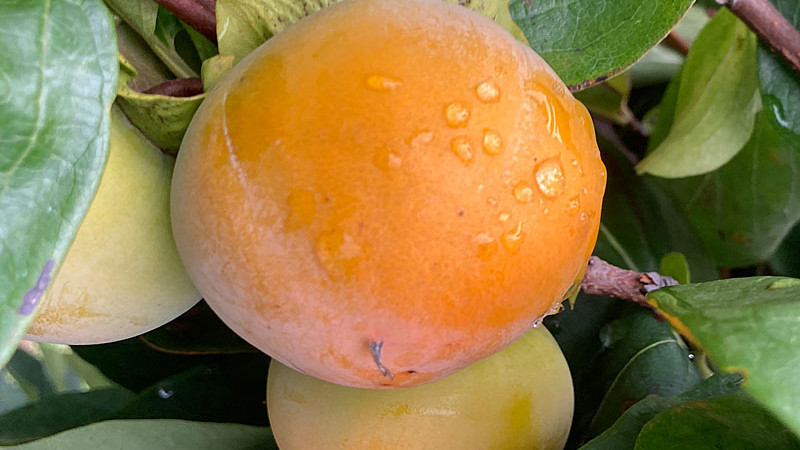
Ebenholz-Schätze: Ein umfassender Leitfaden durch die Welt der Kaki
Wenn man von Ebenholz spricht, denken viele an luxuriöses, dunkles und extrem hartes Holz, aus dem Musikinstrumente oder exklusive Möbel gefertigt werden. Wussten Sie jedoch, dass zur selben botanischen Gattung Diospyros auch die beliebte und süße Kaki-Frucht gehört?
Die Gattung Diospyros ist unglaublich vielfältig und umfasst Hunderte von Arten. In diesem umfassenden Überblick tauchen wir in ihre Geheimnisse ein. Wir stellen nicht nur den kommerziellen Star – die Japanische Kaki (Diospyros kaki) – vor, sondern auch ihre weniger bekannten, aber umso wichtigeren Verwandten, die eine Schlüsselrolle in der Züchtung und im Anbau spielen. Wir entdecken, warum manche Kaki herb sind, andere süß wie Honig, und was der Unterschied zwischen asiatischen, amerikanischen und hybriden Kaki-Bäumen ist.
Der Held der Geschichte: Diospyros kaki (Die Japanische Kaki)
Dies ist die Art, die fast jeder Obstliebhaber kennt. Japanische Kaki, Persimone, Asiatische Dattelpflaume – all das sind Namen für Diospyros kaki, die kommerziell wichtigste Art der Gattung.
- Herkunft und Geschichte: Sie stammt aus China, wo sie bereits vor über 2000 Jahren angebaut wurde. Allmählich verbreitete sie sich nach Japan, Korea und im 19. Jahrhundert auch nach Europa und Amerika.
- Wuchs und Aussehen: Ein laubabwerfender Baum, der eine Höhe von 5-10 Metern erreicht. Er bildet eine breite, abgerundete Krone und seine ältere Rinde hat eine charakteristische, tief und rechtwinklig rissige Struktur, die an Alligatorhaut erinnert. Im Herbst verfärben sich seine großen, glänzenden Blätter in prächtige Gelb-, Orange- und Rottöne.
- Blüten und Bestäubung: Er blüht spät im Frühling (Mai/Juni) und entgeht so späten Frösten. Das Bestäubungssystem ist komplex – einige Sorten sind vollständig selbstfruchtbar oder parthenokarp (bilden Früchte ohne Bestäubung), andere benötigen einen Bestäuber in der Nähe.
- Früchte: Große Beeren (100-500 g) in verschiedenen Formen. An der Spitze der Frucht verbleibt der markante Kelch, dessen Form ein wichtiges Sortenmerkmal ist.
- Geschmack und Herbheit: Verantwortlich dafür sind die Tannine – Stoffe, die in der unreifen Frucht ein unangenehm zusammenziehendes Gefühl im Mund verursachen. Während der Reifung wandeln sich diese löslichen Tannine in eine unlösliche Form um, und die Herbheit verschwindet.
Kurzfakten: Diospyros kaki
- Hauptverwendung: Anbau für große, essbare Früchte.
- Winterhärte: Standardmäßig -15 °C bis -18 °C.
- Schlüsseleigenschaft: Kommerziell wichtigste Art mit enormer Sortenvielfalt.
Der unverwüstliche Amerikaner: Diospyros virginiana (Die Amerikanische Persimone)
Diese Art ist die Geheimwaffe der Züchter. Sie stammt aus dem Osten Nordamerikas und ist ein wahrer Champion in Sachen Widerstandsfähigkeit.
- Winterhärte: Ihr größter Vorteil ist die extreme Frostbeständigkeit, die bis zu -30 °C erreicht.
- Wuchs: Oft ein höherer und schlankerer Baum (bis zu 20 m) mit einer tiefen Pfahlwurzel, was das Umpflanzen älterer Exemplare erschwert.
- Früchte: Sie sind wesentlich kleiner als bei D. kaki (2-6 cm), aber nach dem vollständigen Weichwerden (oft erst nach den ersten Frösten) ist ihr Fruchtfleisch sehr süß, aromatisch und geschmacksreich, oft mit Noten von Rum oder Karamell.
- Genetik: Nördliche Populationen sind, wie D. kaki, hexaploid, was ihre Kreuzung ermöglicht.
Kurzfakten: Diospyros virginiana
- Hauptverwendung: Winterharte Unterlage und Kreuzungspartner für D. kaki.
- Winterhärte: Extrem, bis zu -30 °C.
- Schlüsseleigenschaft: Lieferant von Winterhärte-Genen in der modernen Züchtung.
Das Beste aus beiden Welten: Die Hybriden D. kaki x D. virginiana
Was passiert, wenn man die köstlichen Früchte der asiatischen Kaki mit der unübertroffenen Widerstandsfähigkeit der amerikanischen Persimone kreuzt? Es entstehen interspezifische Hybriden – die ideale Wahl für Gärtner in kühleren Klimazonen, einschließlich Mitteleuropa.
- Eigenschaften: Diese Hybriden vereinen die erwünschten Merkmale beider Eltern. Sie haben eine deutlich höhere Winterhärte als reine D. kaki (typischerweise -20 °C bis -27 °C) und produzieren gleichzeitig größere und qualitativ hochwertigere Früchte als reine D. virginiana.
- Geschmack: Die Früchte liegen in Größe und Geschmack zwischen den Eltern, oft mit einem komplexeren und aromatischeren Geschmack. Die meisten Hybriden bleiben jedoch bis zur vollständigen Reife herb.
Kurzfakten: Kaki x Virginiana Hybriden
- Hauptverwendung: Anbau von hochwertigen Kaki in kühleren Regionen.
- Winterhärte: Hoch, typischerweise -22 °C bis -27 °C.
- Wichtige Sorten: 'Rosseyanka', 'Nikita's Gift', 'Kasandra'.
Haben wir Sie inspiriert?
Widerstandsfähige Hybriden öffnen die Tür zum Anbau exotischer Kaki auch in unseren Breitengraden. Wenn Sie sich einen Baum wünschen, der unsere Winter übersteht und Sie mit einer reichen Ernte belohnt, sind Hybridsorten die richtige Wahl. Besuchen Sie unseren Shop und wählen Sie aus unserem Angebot an Hurmi Kaki.
Wichtige Nebenrollen
Diospyros lotus (Dattelpflaume): Diese Art ist ein unauffälliger Held im Hintergrund. Ihre primäre Verwendung ist als universelle Unterlage für die meisten D. kaki-Sorten, denen sie ein kräftiges Wachstum verleiht.
Diospyros nigra (Schwarze Sapote): Eine exotische, tropische Art aus Mexiko. Ihre Früchte haben nach der Reife ein dunkles Fruchtfleisch, eine puddingartige Textur und einen Geschmack, der an Schokolade erinnert. Sie ist jedoch frostempfindlich.
Der Schlüssel zum Geschmack: Warum sind manche Kaki herb und andere nicht?
Dies ist der wichtigste Abschnitt für jeden Gärtner. Die Sorten von Diospyros kaki werden in vier Hauptgruppen eingeteilt, je nachdem, wie sich ihre Herbheit in Abhängigkeit von der Bestäubung verhält.
1. PCA (Bestäubungskonstant ADSTRINGIEREND/HERB)
Die größte und ursprünglichste Gruppe. Die Früchte sind immer herb, bis sie vollständig weich werden, unabhängig davon, ob sie Samen enthalten. Die Herbheit kann durch natürliche Reifung oder künstlich (z. B. mit CO₂) entfernt werden.
Beispiele: 'Hachiya', 'Rojo Brillante', 'Tipo', 'Kostata'.
2. PCNA (Bestäubungskonstant NICHT-ADSTRINGIEREND/NICHT-HERB)
Der Heilige Gral für Liebhaber knackiger Früchte. Diese Sorten verlieren ihre Herbheit bereits am Baum und sind im festen, knackigen Zustand essbar. Ihre Süße hängt nicht von der Bestäubung ab.
Beispiele: 'Fuyu', 'Jiro', 'Hana Fuyu', 'Izu'.
3. PVA (Bestäubungsvariabel ADSTRINGIEREND/HERB)
Eine komplexere Gruppe. Ohne Samen sind die Früchte herb und müssen weich werden. Werden sie bestäubt und bilden Samen, wird das Fruchtfleisch um die Samen herum dunkel und süß, der Rest kann jedoch herb bleiben.
Beispiele: 'Kaki Tipo', 'Hiratanenashi'.
4. PVNA (Bestäubungsvariabel NICHT-ADSTRINGIEREND/NICHT-HERB)
Die komplexeste Gruppe. Die Früchte sind süß und im festen Zustand essbar, nur wenn sie bestäubt sind und genügend Samen enthalten. Ohne Samen bleiben sie herb. Diese Sorten sind wegen der dunklen Farbe des Fruchtfleisches nach der Bestäubung als "Schokoladen-Kaki" bekannt.
Beispiele: 'Chocolate', 'Nishimurawase' (Coffee Cake).
Zusammenfassung
Das Verständnis der Gattung Diospyros offenbart eine faszinierende Geschichte von Anpassung, Züchtung und botanischer Vielfalt. Während Diospyros kaki aufgrund seiner Früchte der Star ist, ist sein widerstandsfähiger Verwandter Diospyros virginiana der Schlüssel, um die Grenzen des Anbaus in kältere Regionen zu verschieben.
Für jeden Gärtner ist es entscheidend, die pomologische Einteilung zu kennen – zu wissen, ob seine Sorte zur PCA-Gruppe (muss weich werden) oder zur PCNA-Gruppe (kann hart gegessen werden) gehört, ist die Grundlage für Erfolg und Genuss der Ernte. Die Zukunft liegt zweifellos in der Züchtung neuer Hybriden, die die begehrteste Eigenschaft – die Nicht-Herbheit des PCNA-Typs – mit extremer Winterhärte kombinieren. Das Erreichen dieses "Heiligen Grals" würde eine Revolution im Kaki-Anbau in unseren Breitengraden bedeuten.
Hat Sie die Welt der Ebenholzbäume fasziniert? Welche Art oder welcher Sortentyp ist Ihr Favorit? Lassen Sie es uns in den Kommentaren wissen!
Verwandte Produkte


