















Lettische Stachelbeeren: Analyse der Sorten Kuršu Dzintars, Rita und Maija | Blog
Stachelbeeren aus dem Baltikum: Analyse der Sorten Kuršu Dzintars, Rita und Maija
Im Kampf gegen Pilzkrankheiten und im Bestreben nach einem ökologischeren Anbau rücken Sorten in den Vordergrund, die unter anspruchsvolleren klimatischen Bedingungen gezüchtet wurden. Lettland und seine Zuchtprogramme in Dobele sind ein Paradebeispiel für den Erfolg. Sie bringen Stachelbeersorten hervor, die Robustheit, Krankheitsresistenz und ausgezeichneten Geschmack kombinieren, was sie zu idealen Kandidaten für unsere Gärten macht.
„Die Züchtung in Lettland konzentriert sich darauf, Sorten zu schaffen, die eine qualitativ hochwertige Ernte bei minimalem Bedarf an chemischem Schutz liefern.“
In dieser detaillierten Analyse betrachten wir drei interessante lettische Sorten: die fast dornenlose 'Rita', die kommerziell erfolgreiche 'Maija' und das historische Dessert-Juwel 'Kuršu Dzintars'.
1. 'Rita' – Komfort und Widerstandsfähigkeit in einem
'Rita' ist eine moderne lettische Sorte, die eines der größten Probleme bei der Stachelbeerernte löst – die Dornen. Ihre Triebe sind praktisch dornenlos, was die Ernte und Pflege erheblich erleichtert.
Sortenprofil: 'Rita'
- Herkunft: Lettland (Dobele), registriert im Jahr 2008.
- Wuchs: Mittelstark, breitbuschig.
- Früchte: Groß (3,5–5 g), oval, von dunkelroter Farbe.
- Geschmack: Angenehm süß-säuerlich, als sehr gut bewertet.
- Widerstandsfähigkeit: Sehr gute Resistenz gegen den Amerikanischen Stachelbeermehltau und gute Resistenz gegen die Blattfallkrankheit. Blüten sind frosthart bis -3 °C.
- Reifezeit: Spät.
Agronomische Bewertung
'Rita' ist die ideale Wahl für Hausgärten, in denen Komfort und einfache Pflege im Vordergrund stehen. Die Kombination aus dornenlosen Trieben und sehr guter Mehltauresistenz reduziert den Arbeitsaufwand auf ein Minimum. Der mittlere bis hohe Ertrag (3–5 kg pro Strauch) ist für eine normale Familie völlig ausreichend.
Anbauempfehlungen
Dank ihres breiten Wuchses eignet sie sich für den Anbau an einem Spalier, was die Ernte weiter erleichtert und den Strauch besser durchlüftet. Die späte Reifezeit verlängert die Stachelbeersaison.
2. 'Maija' – Kraft und Produktivität für Anspruchsvolle
'Maija' ist eine moderne lettische Sorte, die nicht nur für Hobbygärtner, sondern auch für den kommerziellen Anbau bestimmt ist. Sie vereint einen kräftigen, aufrechten Wuchs, sehr große Früchte und einen extrem hohen Ertrag.
Sortenprofil: 'Maija'
- Herkunft: Lettland, registriert im Jahr 2016.
- Wuchs: Kräftig, hoch, aufrecht und kompakt. Die Triebe sind dornig.
- Früchte: Sehr groß (4–6 g), oval, von hellgrüner Farbe.
- Geschmack: Sehr gut.
- Widerstandsfähigkeit: Gute Resistenz gegen den Amerikanischen Stachelbeermehltau, mittlere gegen die Blattfallkrankheit. Blüten sind frosthart bis -3 °C.
- Reifezeit: Mittelfrüh.
Agronomische Bewertung
Der Hauptvorteil von 'Maija' ist ihre Produktivität. Ein Ertrag von bis zu 8 kg pro erwachsenem Strauch zählt sie zu den ertragreichsten Sorten. Ihr aufrechter Wuchs und die Festigkeit der Früchte prädestinieren sie für den Anbau am Spalier und ermöglichen sogar eine maschinelle Ernte.
Anbauempfehlungen
Obwohl sie eine gute Widerstandsfähigkeit besitzt, ist ein luftiger Standort aufgrund der mittleren Anfälligkeit für die Blattfallkrankheit von Vorteil. Die dornigen Triebe sind der Kompromiss für den hohen Ertrag und die Qualität der Früchte.
3. 'Kuršu Dzintars' – Der Dessertgeschmack der Geschichte
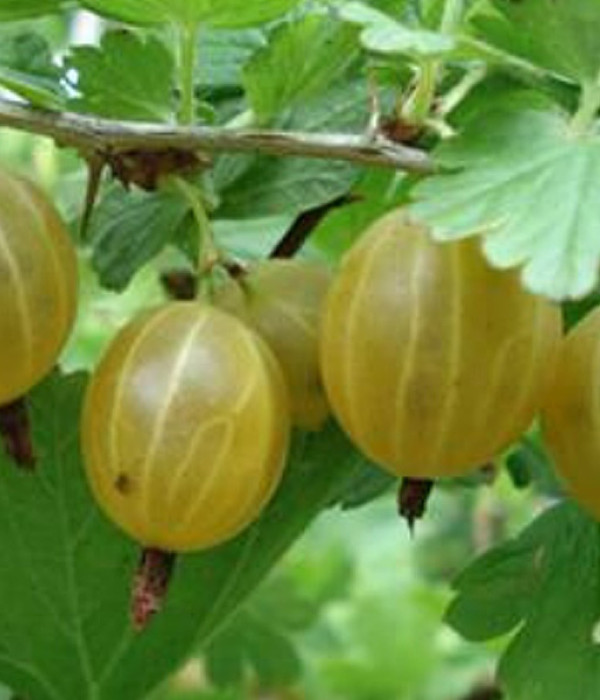
'Kuršu Dzintars' (übersetzt Kurland-Bernstein) ist eine historische lettische Sorte, die bis heute wegen ihres ausgezeichneten, süßen Dessertgeschmacks angebaut wird. Sie gilt als eine der schmackhaftesten Sorten in Europa.
Sortenprofil: 'Kuršu Dzintars'
- Herkunft: Lettland (Region Liepāja), Züchtung in den Jahren 1930–1970.
- Wuchs: Mittelstark, aufrecht. Die Triebe sind schwach bedornt.
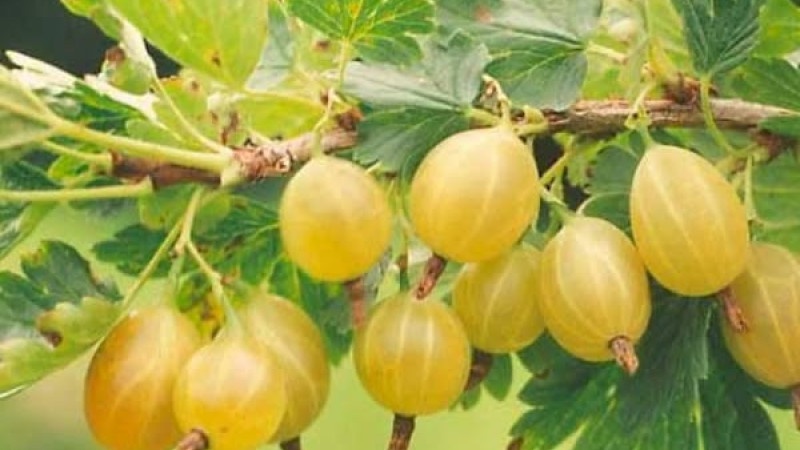
- Früchte: Mittelgroß, bernsteingelb, mit dünner Schale.
- Geschmack: Sehr gut, angenehm süß, Desserttyp (bis zu 13,3 °Brix).
- Widerstandsfähigkeit: Mittlere Resistenz gegen Mehltau und Blattfallkrankheit. Gute Winterhärte.
- Reifezeit: Früh bis mittelfrüh.
Agronomische Bewertung
Dies ist eine Sorte für wahre Gourmets, deren absolute Priorität der Geschmack ist. Die frühe Reife und der hohe Zuckergehalt machen sie ideal für den Frischverzehr direkt vom Strauch. Die geringe Lagerfähigkeit und die dünne Schale unterstreichen ihren Charakter als Dessert-Delikatesse.
Anbauempfehlungen
Aufgrund der mittleren Resistenz gegen Pilzkrankheiten erfordert sie etwas mehr Aufmerksamkeit und vorbeugenden Schutz, idealerweise an einem sonnigen und luftigen Standort. Die Belohnung ist jedoch ein unübertroffenes Geschmackserlebnis.
Zusammenfassende Vergleichstabelle
Vergleich der lettischen Sorten
| Eigenschaft | Rita | Maija | Kuršu Dzintars |
|---|---|---|---|
| Hauptvorteil | Dornenlos & bequeme Ernte | Hoher Ertrag & große Früchte | Exzellenter Dessertgeschmack |
| Fruchtfarbe | Dunkelrot | Hellgrün | Bernsteingelb |
| Mehltauresistenz | Sehr gut | Gut | Mittel |
Entdecken Sie die Widerstandsfähigkeit und den Geschmack des Baltikums
Lettische Sorten sind ein großartiges Beispiel für moderne Züchtung, die auf die Bedürfnisse heutiger Gärtner eingeht. Sie bieten Widerstandsfähigkeit, Anspruchslosigkeit und vor allem großartigen Geschmack. Entdecken Sie unser Angebot an robusten Stachelbeersorten und finden Sie Ihren Favoriten aus dem Baltikum. (Der voraussichtliche Verkaufsstart der neuen lettischen Sorten ist der 10.10.2025.)
Bleiben Sie auf dem Laufenden!
Möchten Sie weitere Tipps, Neuigkeiten zu Sorten und exklusive Einblicke in die Welt der Obstpflanzen erhalten? Folgen Sie uns auf Facebook und werden Sie Teil unserer wachsenden Gemeinschaft von Gartenfreunden. Folgen Sie uns jetzt auf Facebook und verpassen Sie nichts!
Welche dieser lettischen Sorten würde Ihre Vorstellungen am besten erfüllen? Lassen Sie es uns in den Kommentaren wissen!
Verwandte Produkte