





















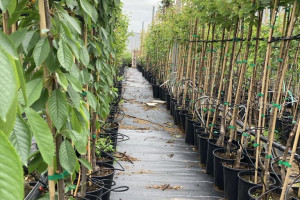
Auswahl von Heidelbeeren und Geißbeeren (Teil 1): Welcher Typ ist der richtige für Sie?
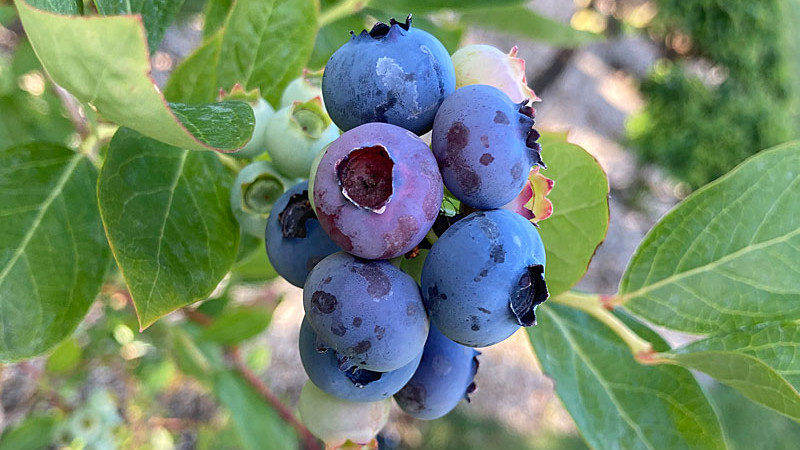
Ihr Leitfaden zur perfekten Ernte Teil 1: Wie Sie die richtigen Heidelbeeren und Maibeeren auswählen
Der Anbau von eigenem Obst ist eine der größten Freuden für jeden Gärtner. Das breite Angebot an verschiedenen Typen und Sorten von Heidelbeeren und Maibeeren kann jedoch verwirrend sein. Dieser Leitfaden wird Ihnen nicht sagen, welche konkrete Sorte Sie kaufen sollen, aber er wird Ihnen helfen, die grundlegenden Typen dieser Pflanzen zu verstehen. Sie werden herausfinden, welcher Typ am besten zu Ihrem Klima, Ihrer Höhenlage und Ihren Anbauzielen passt, damit Ihre Mühe mit einer reichen und süßen Belohnung gekrönt wird.
Schritt 1: Heidelbeere oder Maibeere? Die grundlegende Entscheidung
Bevor wir uns den Details widmen, klären wir den grundlegenden Unterschied.
- Heidelbeeren: Benötigen unbedingt sauren Boden (pH 4,2 – 5,2). Ohne Torf werden sie nicht gedeihen. Sie bieten eine breite Geschmacksvielfalt und reifen von Juli bis September.
- Maibeeren (Honigbeeren): Sind anspruchslos an den Boden und extrem winterhart. Sie benötigen einen Bestäuber (mindestens zwei verschiedene Sorten). Sie bringen die erste Ernte des Jahres bereits im Mai und Juni.
Schritt 2: Welcher Heidelbeer-Typ passt in meinen Garten?
Wenn Sie sich für Heidelbeeren entschieden haben, ist die Wahl des richtigen Typs je nach Standort der Schlüssel zum Erfolg.
Northern Highbush (Kulturheidelbeeren nördlicher Typen)
- Für wen: Der Standard für die meisten Gebiete in Deutschland, Österreich und der Schweiz. Ideal für mittlere und höhere Lagen (Vorgebirgsregionen, Tallagen).
- Worauf zu achten ist: In den wärmsten Tiefländern können sie unter Hitzestress leiden.
- Anbau im Kübel: Ja, in großen Kübeln (mind. 40-50 Liter).
Southern Highbush (Kulturheidelbeeren südlicher Typen)
- Für wen: Für Gärtner in den wärmsten und sonnigsten Regionen (z.B. Weinbauklima), wo klassische Heidelbeeren versagen. Auch ideal für Wintergärten und Gewächshäuser.
- Worauf zu achten ist: In kühleren Gebieten können ihre frühen Blüten durch späte Fröste beschädigt werden.
- Anbau im Kübel: Ja, eine ausgezeichnete Wahl für sonnige Balkone in warmen Regionen.
Half-high (Halbhohe Heidelbeeren)
- Für wen: Die ideale Wahl für kalte, bergige und Vorgebirgsregionen und Frostsenken. Auch ideal für kleinere Gärten und Kübel.
- Worauf zu achten ist: Die Früchte sind etwas kleiner, aber der Geschmack ist oft intensiver.
- Anbau im Kübel: Ausgezeichnet. In den heißesten Gebieten benötigen sie Schatten.
Rabbiteye, Lowbush und Finnische Sorten
- Rabbiteye: Für Experten und Experimentierfreudige in den absolut wärmsten Weinbaulagen. Für die meisten unserer Gebiete ungeeignet.
- Lowbush (Niedrige) und Waldheidelbeeren: Für Liebhaber von Naturgärten, die einen Bodendecker schaffen möchten. Die Früchte sind klein, aber extrem aromatisch.
- Finnische Sorten: Für Gärtner in extremen, kältesten und höchstgelegenen Gebieten. Eine Überlebensgarantie, wo alles andere versagt.
Schritt 3: Welcher Maibeer-Typ passt in meinen Garten?
Bei Maibeeren ist die Auswahl einfacher – alle sind extrem winterhart. Die Unterschiede liegen hauptsächlich im Geschmack und in der Reifezeit.
- Russische Sorten: Die früheste Ernte, typisch aromatischer Geschmack. Ideal für Anfänger und kältere Gebiete. Die Früchte können säuerlicher und weicher sein.
- Kanadische Sorten: Süßere und festere Früchte, die nicht abfallen. Reifen etwas später. Sie sind der Standard für den modernen Anbau.
- Polnische Sorten: Hervorragend an unsere Bedingungen angepasst, mit hohem Ertrag und ausgewogenem Geschmack. Tolle Bestäuber für kanadische Sorten.
- Amerikanische Sorten: Gelten als die süßesten und schmackhaftesten. Haben einen geringeren Ertrag und einen kompakteren Wuchs. Blühen und reifen am spätesten und entgehen so den Frösten.
Schritt 4: Welche Pflanzengröße soll ich wählen?
- P9 (kleiner Topf): Für geduldige und erfahrene Gärtner, die ihre Pflanzen selbst großziehen möchten. Die günstigste Wahl, aber Sie müssen 2-3 Jahre auf die Ernte warten.
- C2 (2-Liter-Container): Der goldene Mittelweg für die meisten. Eine kräftige, gut durchwurzelte Pflanze, die im nächsten Jahr die erste kleine Ernte bringt.
- C5 (5-Liter-Container): Für ungeduldige Gärtner und diejenigen, die sofort und ohne Risiko ernten möchten. Eine kräftige, erwachsene Pflanze, die oft schon im Pflanzjahr Früchte trägt.
Ihr Garten, Ihre Wahl
Die Wahl des richtigen Pflanzentyps ist wichtiger als die Wahl einer bestimmten Sorte. Wenn Sie die richtige Grundlage entsprechend Ihren Bedingungen wählen – sei es eine Kulturheidelbeere für die Berge oder eine amerikanische Maibeere für das Tiefland – sind Sie auf dem besten Weg zum Erfolg. Entdecken Sie unser breites Sortiment an Heidelbeeren und Maibeeren für jeden Standort und beginnen Sie Ihre Reise zur süßen Ernte.
Das Wort des Experten: Meine persönlichen Tipps und Beobachtungen (Teil 1)
Nach vielen Gesprächen und Erfahrungen möchte ich Ihnen einige persönliche Ratschläge geben, um häufige Fehler zu vermeiden.
- Über den Geschmack von Heidelbeeren: Lassen Sie sich nicht von Beschreibungen wie "durchschnittlicher Geschmack" in Patenten abschrecken. Zum Beispiel sind Southern Highbush-Sorten Hybriden und praktisch alle sind schmackhafter als die meisten Northern Highbush-Sorten. Dasselbe gilt für Half-high. Geschmack ist subjektiv und wird von den Bedingungen beeinflusst.
- Über den Geschmack von Maibeeren: Der Mythos, dass russische Maibeeren sauer sind, ist Unsinn. Moderne Sorten wie 'Uslada' oder 'Vostorg' sind ausgezeichnet. Die kanadische Boreal-Serie ist großartig, aber ich persönlich bevorzuge die amerikanischen Sorten ('Blue Treasure', 'Giant's Heart') wegen ihrer unübertroffenen Süße.
- Wie man die ganze Saison über erntet: Wenn Sie von Mai bis September frische Früchte haben möchten, müssen Sie kombinieren. Bei Maibeeren benötigen Sie russische, kanadische/polnische und amerikanische Sorten. Bei Heidelbeeren Northern Highbush, Southern Highbush und Rabbiteye (wenn die Bedingungen stimmen). Anders geht es nicht.
- Über die Pflanzengröße: Wenn Sie Anfänger sind oder auf Nummer sicher gehen wollen, investieren Sie in größere Pflanzen (C2, C5). Sie vermeiden Enttäuschungen und müssen nicht jahrelang auf die Ernte warten.
Ich hoffe, dieser Leitfaden hilft Ihnen, die beste Entscheidung für Ihren Garten zu treffen.
Welcher Typ Heidelbeere oder Maibeere ist Ihr Favorit? Teilen Sie Ihre Erfahrungen in den Kommentaren!