



















The World of Pears (Part 1): A Guide to the Pyrus Genus and Its Best Varieties | Blog
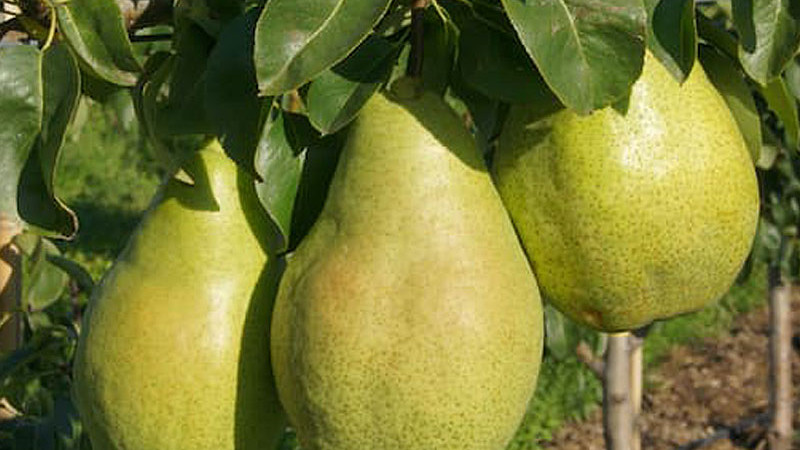
The Pear Family Tree (Part 1): Uncover the Secrets of the Genus Pyrus and Its Best Descendants
The genus Pyrus, known as the pear, is one of the most important fruit species of the temperate zone. It is a genus remarkable for its vast genetic diversity, which is the key to its success. Its almost unlimited ability for interspecific hybridization allows breeders to combine the best traits and create new, more resilient, and higher-quality varieties.
In this installment, we will delve into the fascinating family tree of pears. We will introduce its most significant members—from classic European ancestors to hardy Asian cousins—and reveal how their union creates champions for 21st-century gardens.
Genus Profile: Pyrus at a Glance
Profile of the Genus Pyrus
- Family: Rosaceae (Rose family)
- Origin: Mountainous regions of Western China (Tertiary period)
- Main Branches: European Pears and Asian Pears
- Key Superpower: Almost all species are mutually crossable, which allows for endless breeding possibilities.
The Main Family Branches: Europe vs. Asia
The world of pears is divided into two main dynasties, each with its unique character.
1. The European Branch (Pyrus communis)
- Who is it? This is our classic pear, cultivated in Europe and the Americas. Varieties like 'Williams' or 'Conference' come from this branch.
- Characteristics: Its fruits are famous for their buttery, melting flesh texture, which is highly prized.
- Weakness: It is very susceptible to the dreaded fire blight.
2. The Asian Branch (P. pyrifolia, P. ×bretschneideri, P. ussuriensis)
- Who is it? It includes several key species that dominate in Asia. The most famous are the Nashi (Pyrus pyrifolia).
- Characteristics: The fruits are typically round, very juicy, and have a crisp texture reminiscent of an apple.
- Hidden Strength: The species Pyrus ussuriensis is the _most frost-hardy_ and is a valuable source of genes for fire blight resistance.
"The almost unlimited ability for interspecific hybridization is the key trait that defines the immense potential of the genus Pyrus."
"Modern Marriages": How Champions for the 21st Century Are Created
Interspecific hybridization is the key to solving the biggest cultivation challenges. Breeders purposefully combine the European and Asian branches to create offspring with the best traits.
Goal #1: Disease Resistance
- Strategy: A tasty but susceptible European pear (P. communis) is crossed with a hardy Asian species (P. ussuriensis).
- Result: An offspring with high resistance to fire blight and, at the same time, high-quality fruit.
Goal #2: Extreme Frost Hardiness
- Strategy: Again, European quality (P. communis) is combined with the nearly indestructible hardiness of P. ussuriensis.
- Result: Varieties that thrive even in cold continental regions.
Goal #3: New Flavors and Textures
- Strategy: A European pear (P. communis) is crossed with an Asian Nashi (P. pyrifolia).
- Result: A completely new type of fruit that combines the aromatic flavor of European pears with the crisp and juicy texture of Asian pears.
The Future in Your Garden
Thanks to this "gene mixing," there are now varieties that are not only tasty but also adapted to our conditions and resistant to diseases. Growing top-quality pears with minimal fuss is now a reality for every gardener. Discover modern and hardy pear varieties in our selection and plant the result of the best breeding in your garden.
Conclusion: A Legacy for the Future
The future of pear cultivation undoubtedly lies in continued interspecific breeding. Thanks to it, we will be able to develop varieties resistant to changing climatic conditions while satisfying the growing consumer demand for new flavors and textures. It is precisely this ability for free hybridization that makes the genus Pyrus a fascinating and dynamic system for further pomological development.
Did you know about such a close relationship between the different types of pears? Let us know in the comments!
Related Products

